A premium furniture brand outgrew the platform it helped build - and moved to Shopify for the speed, control, and 15% more conversions it needed.
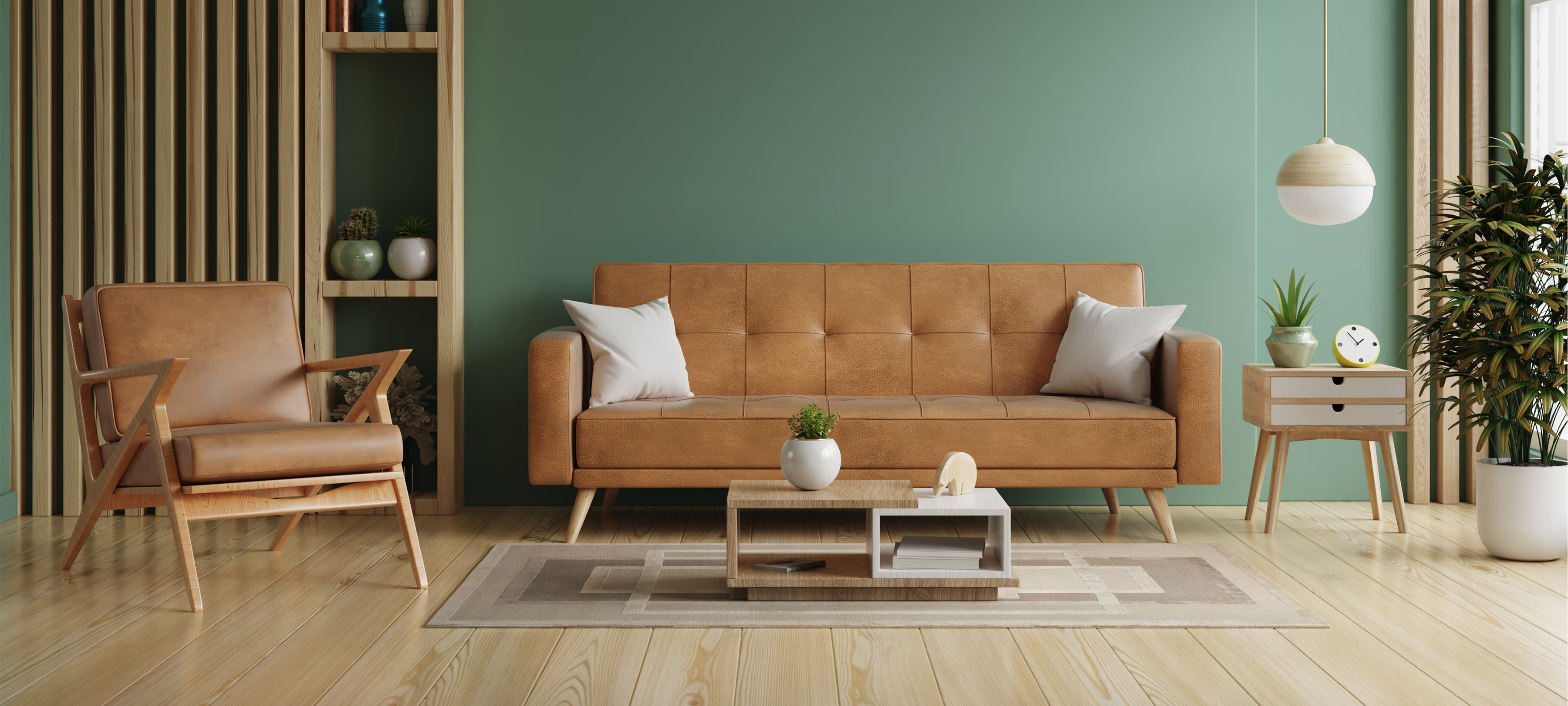
Folkhemmet sells furniture for people who care how they live. Nordic design, made to last, chosen with intent. A brand like that lives or dies on experience — how it looks, how it feels, how easily someone falls for a sofa online and finishes the purchase.
So the platform underneath it matters more than most people think. For a while, Folkhemmet's was holding the brand back.
Here is the uncomfortable part. Folkhemmet had helped fund and build the very system it was running on — a smaller SaaS platform. Loyalty is easy to keep and hard to question. But the numbers told a plain story. Development crawled. Costs ran high. The flexibility the team needed simply wasn't there.
The value coming out no longer matched the money going in. For any business - and especially a lean one that has to spend every krona well - that gap is the signal to move.
Not scale for its own sake. Folkhemmet set three goals, and each one was really about money and time.
Faster time to market, so good ideas ship in days, not quarters. Lower development costs, so budget flows to the brand instead of the backend. Better data, so decisions are made on evidence, not instinct.
Underneath all three sat one ambition: build a buying journey as considered as the furniture itself, and use it to pull online and in-store closer together.
Folkhemmet moved to Shopify. The point wasn't the biggest platform - it was the right one for the business they are.
Shopify handles the hosting, the security, the plumbing nobody should have to think about. That freed a small team to run its own store. Content changes, campaigns, new pages - done in-house, no developer in the loop, no waiting. Total cost of ownership fell, and the money saved went straight back into the customer experience.
This is the part smaller merchants should hear clearly. You do not need an enterprise budget to get an enterprise-grade experience. You need the right platform and a partner who builds it properly. That is exactly what this was.
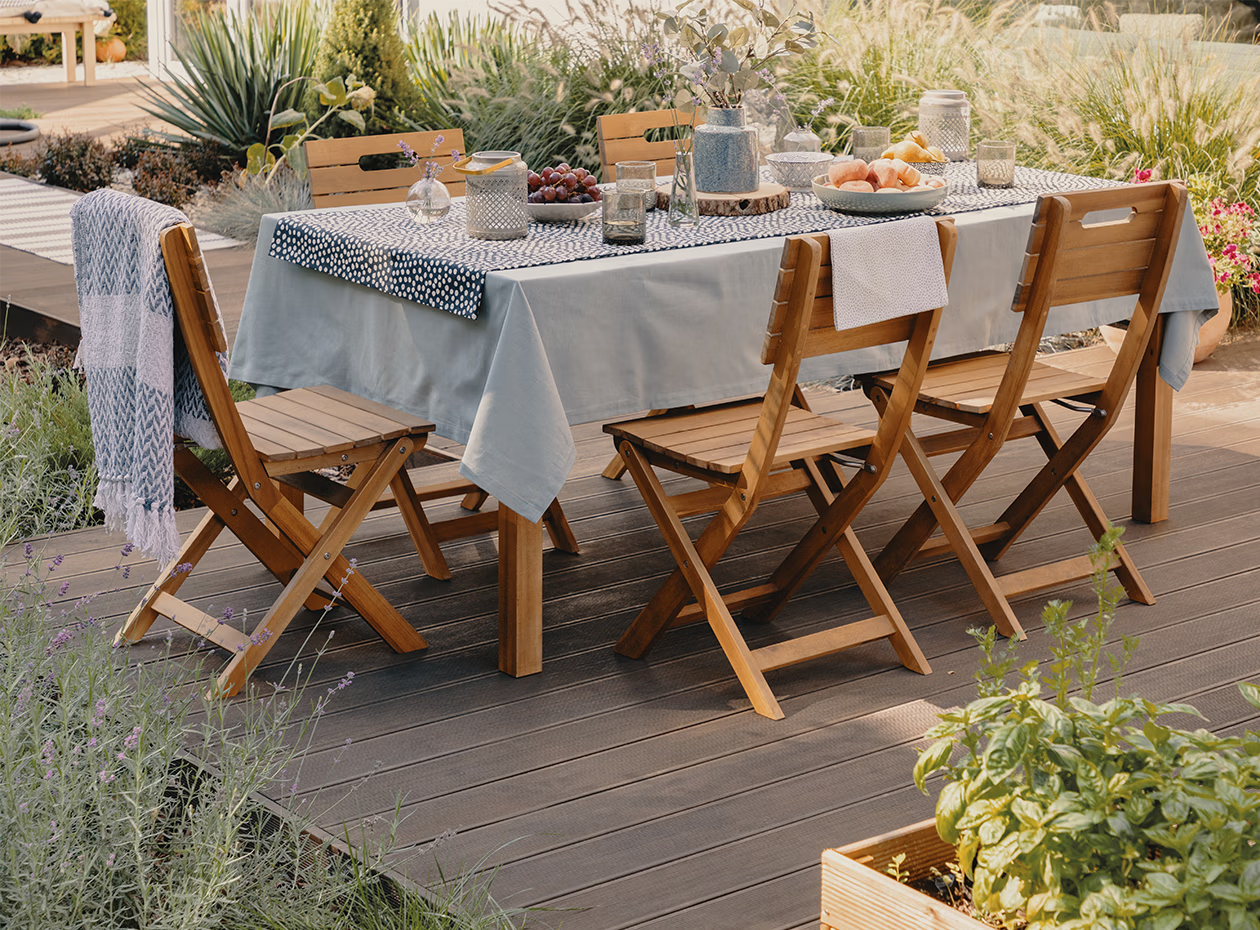
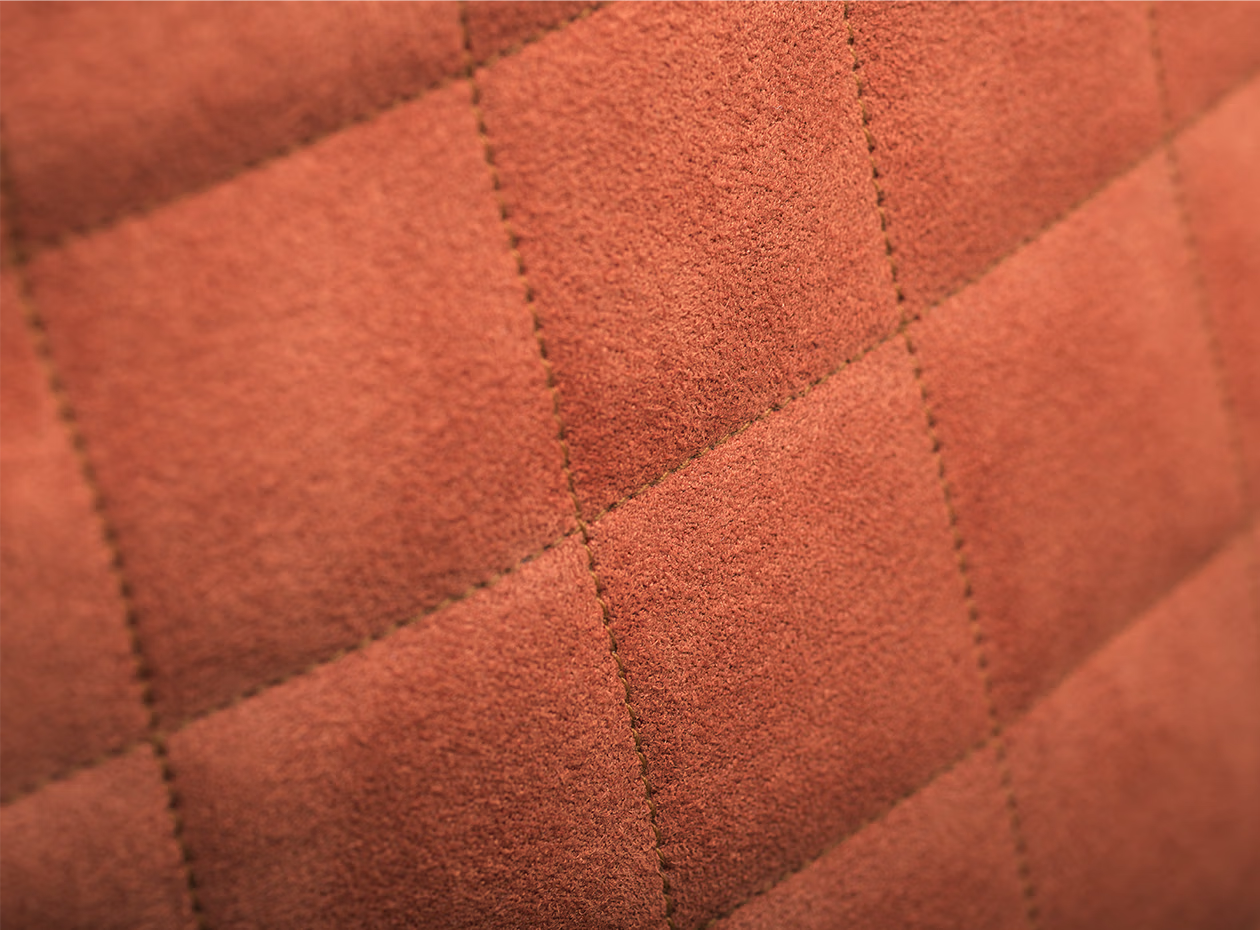

The clearest win came from something deceptively hard: customizable furniture. A Folkhemmet sofa can be configured by fabric, color, frame upholstery, and leg style - every choice moving the price. Powerful for the customer, confusing if handled badly.
Lybe rebuilt the product pages to make configuration feel simple. Guide the choices. Surface the popular ones. Remove the friction between "I like this" and "I bought this."
The result was a more than 15% increase in conversion rates. Same traffic. More sales. That is the kind of return that pays for a replatform on its own.
The move came with a full design refresh, built mobile-first - because that is where the customers are. Faster load times. Clearer navigation. A visual identity that finally matches the quality of the products. And a site structured for search, so more of the right people find Folkhemmet without paying for every click.
Every one of those is a quiet, compounding return: more organic traffic, more completed journeys, a brand that looks the part on the screen most people actually shop from.
Folkhemmet now runs on a platform that keeps pace with its ambition instead of capping it. The team controls its own roadmap. The stores and the site pull in the same direction. And the foundation is set to grow.
The lesson travels well beyond furniture. The right platform isn't the largest - it's the one that fits the business you are and the one you're becoming. Whether you're scaling your first store or your fiftieth, that decision is worth getting right.
If your platform is costing you more than it returns, that is a conversation worth having.